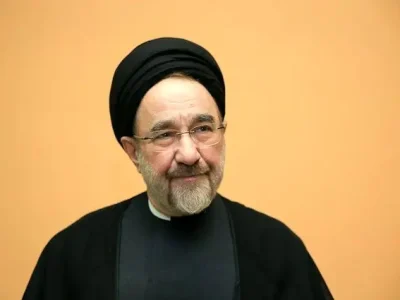
Referring to Seyed Mohammad Khatami’s recent positions and the Reform Front’s letter regarding the modernization of the reform process, Hassan Rasouli emphasized that the current state of the country is the result of years of ignoring experts’ warnings. He said: “We don’t have good conditions in various fields and the relationship between the nation and […]
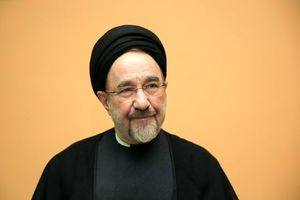
Referring to Seyed Mohammad Khatami’s recent positions and the Reform Front’s letter regarding the modernization of the reform process, Hassan Rasouli emphasized that the current state of the country is the result of years of ignoring experts’ warnings. He said: “We don’t have good conditions in various fields and the relationship between the nation and the government is getting colder day by day under the pressure of problems. “What we see today is the continuation of the same warnings that were mentioned many times in the official statements and correspondence of the Reform Front.”
Referring to Khatami’s recent message to the Congress of the Islamic Association of Teachers, Rasouli added: “A few years ago, even before the start of the 12-day war, Mr. Khatami had presented clear solutions to prevent new tensions in the form of a 15-point statement and direct letters. “If those recommendations were taken seriously, we would not have endured this amount of damage and pressure today.”
He said that even after the war, the political and social atmosphere of the country was expected to move in the direction of opening: “Leadership was an important keyword and they said to read from Iran. It was expected that this message would be reflected in the country’s cultural and media policy, but in practice it was limited to a few statues and urban symbols, and no noticeable change was seen in the radio and television, the Guardian Council or internal trends.
Referring to the role of the people in the 12-day war, Rasouli said: “The general conscience of the society and the correct understanding of the majority made the aggressors’ plan fail.” Despite economic and social dissatisfaction, people prioritized protection from Iran. The natural expectation was that the governance system would also move in the direction of increasing people’s satisfaction.
He spoke about the need for serious changes in domestic and foreign policy and criticized the lack of tangible signs of these changes: “Despite the leadership’s emphasis, there is no change in radio and television, nor in the Guardian Council, nor in international approaches. The release of those imprisoned, the release of political prisoners, and the correction of foreign policy could be an important message for the society.”
Referring to Khatami’s position in the reform process, this member of the Reform Front said: “I consider Mr. Khatami the leader of the reform process and the Reform Front along with him.” If there is a difference in tone, they are completely aligned in content and purpose; “Both of them seek to prevent the recurrence of the crisis and find a dignified path for the country.”
Rasouli went on to describe the desirable politics of the reformers as “virtuous politics” and said: “One should not seek a share from the government. Supporting doctors is supporting an honest expert; But this support does not prevent criticism of errors and shortcomings.”
He also explained about today’s reformism: “Current reformism is different from the seventies. Today, the country is facing serious economic failures and international threats. Therefore, the priority of reformists should be two things: preventing war and reducing dissatisfaction. This approach continues to be the same national politics and virtue that Khatami emphasizes.”
In the end, Rasouli said that all Khatami’s messages and warnings are “to prevent the situation from getting worse” and now is the time for brave decisions by the authorities. Decisions that can both reduce external pressures and restore lost internal confidence.