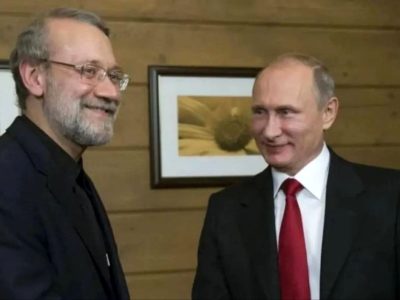
This meeting was held in a situation where Iran’s nuclear issue has once again returned to the Security Council and negotiations between Iran and the West have reached a serious deadlock. Along with these developments, Putin’s long phone call with US President Donald Trump, shortly after meeting with Larijani, has led to many speculations about […]
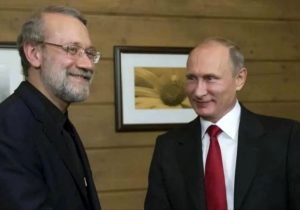
This meeting was held in a situation where Iran’s nuclear issue has once again returned to the Security Council and negotiations between Iran and the West have reached a serious deadlock. Along with these developments, Putin’s long phone call with US President Donald Trump, shortly after meeting with Larijani, has led to many speculations about Moscow’s possible mediation between Tehran and Washington.
Strategic conversations
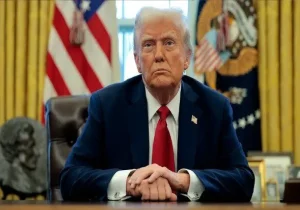
The telegram channel of Ali Larijani’s office, while announcing this meeting, announced that Larijani presented the message of the Supreme Leader of the Revolution to the President of Russia and the two sides discussed bilateral issues, economic, regional and international cooperation. Not many details have been published about the text of the message and the topics of the meeting, but considering the importance of the current situation in the region and Iran’s nuclear case, these talks can be considered very strategic. On the same day, news of Putin’s long phone call with Trump was published. The White House announced that during the conversation, the two sides discussed various issues, including Ukraine and the delivery of US Tomahawk missiles to Ukraine, and also agreed to meet in Hungary in the near future. Of course, more detailed details about the negotiations and the focal points of the call have not been disclosed. However, the speculations of the Iranian media indicate that it is possible that Putin has followed the role of mediator between Tehran and Washington in this call in order to open a new window for dialogue and agreement in the current stalemate of nuclear negotiations. This analysis is based on the fact that Russia, as one of the key players in Iran’s nuclear case, wants to reduce tensions and increase stability in the region and can use its position to facilitate talks.
Military and security aspects of cooperation between Iran and Russia
Simultaneously with the political and diplomatic developments, the domestic media have also investigated the military aspects of cooperation between Tehran and Moscow. In a report, Farhikhtegan claimed that this trip was related to the purchase of military weapons. This media wrote: “After the recent 12-day war in the region, Iran has paid special attention to improving its military power and air defense.” This report points out: “During this short war, Iran managed to have an acceptable offensive performance and was able to force the Zionist regime to request a ceasefire. However, Iran’s main gap emerged in the field of protecting its airspace. Despite having ground-based air defense systems such as the S-300, Iran needs advanced fighter jets and more up-to-date defense systems due to its vast geographical area, which is equivalent to the size of Western Europe. In this context, Iran has signed a contract for the purchase of Russian Su-35 fighter jets and received a part of its order. Negotiations for the purchase of S-400 missile defense systems are also underway. These systems, which are designed to counter ballistic missiles, can significantly increase Iran’s deterrent power against missile attacks.
However, Ali Larijani’s one-day trip to Moscow and the meeting with Vladimir Putin took place in a situation where Iran’s nuclear issue has entered a sensitive and complicated stage. This meeting and subsequent phone call between Putin and Trump may show signs of Russia’s attempt to mediate between Tehran and Washington, but what is doubly important for domestic public opinion is Russia’s practical support for Iran in the event of a new military threat from Israel. Therefore, the strengthening of military cooperation between Iran and Russia, especially in the fields of air defense and advanced fighters, shows Tehran’s determination to improve its defense capabilities and deal with possible threats. These developments can be a prelude to important changes in the regional and international equations surrounding Iran’s nuclear case and the security of the Middle East, but there are still many questions about the success rate of Russian mediation and the reaction of the Western parties. In any case, Tehran and Moscow have expanded their relations in different fields at this critical moment, and this issue can play a decisive role in the future of the nuclear case and the security of the region.